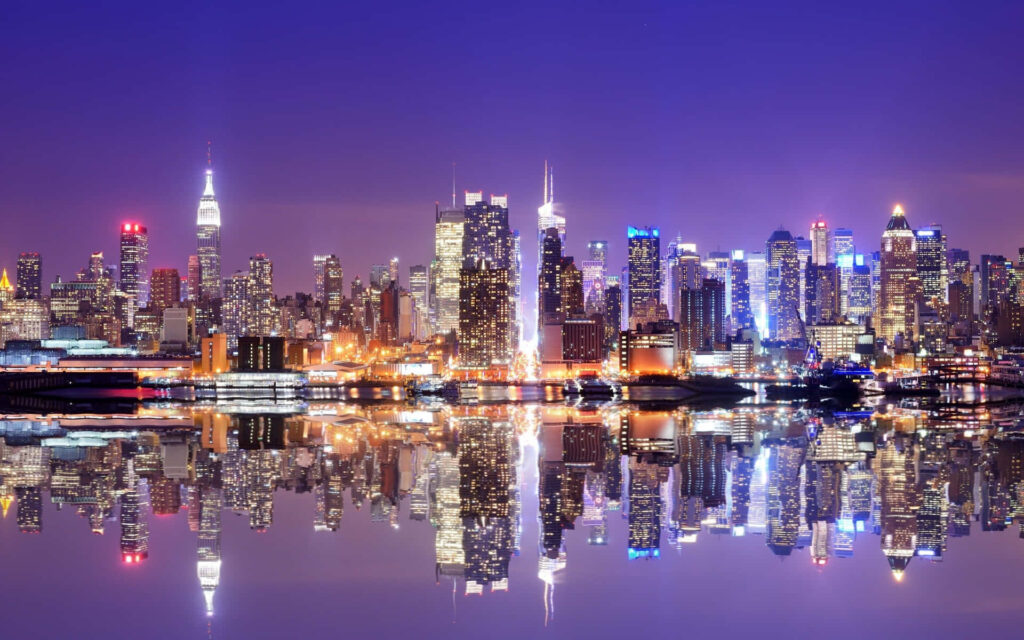
New York City, the pulsating heart of the United States, has a rich and complex history that extends far beyond the iconic skyline and bustling streets. Nestled within the narratives of progress and development are stories of forgotten neighborhoods, erased communities, and lost enclaves that once thrived in the midst of the city’s vibrant energy. Let’s embark on a journey to uncover some of these hidden chapters, focusing on the tales of Seneca Village, Little Syria, and the Tenderloin.
Seneca Village: A Vanishing Act in Central Park Picture this – Central Park, the expansive green oasis in the heart of Manhattan. Now imagine it as the backdrop to a hidden village, a community known as Seneca Village, thriving between the 1820s and 1850s. This predominantly African American and Irish immigrant settlement, a haven of resilience and camaraderie, stood as a defiant response to the racial prejudices of its time.
Established in 1825, Seneca Village’s residents built schools, churches, and cemeteries, creating a close-knit enclave that defied societal norms. However, as plans for Central Park’s creation gained momentum, the village faced displacement. In 1857, the city seized the land through eminent domain, uprooting Seneca Village’s residents and erasing it from the city’s landscape.
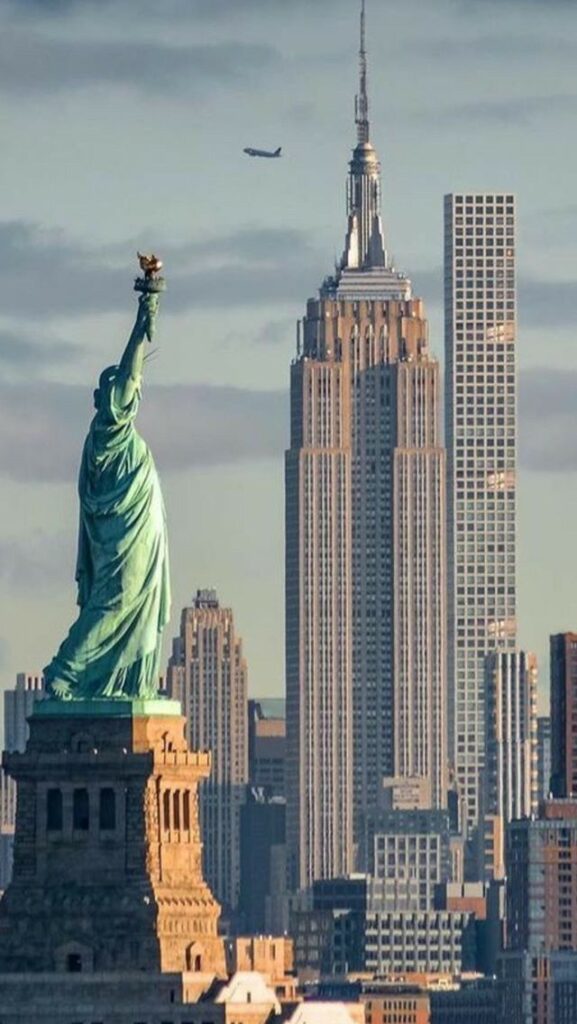
The story of Seneca Village is a poignant reminder of the sacrifices made by marginalized communities in the name of urban development. Today, efforts are underway to preserve its memory, offering a glimpse into a community that once thrived in what is now one of the most visited parks in the world.
Little Syria: A Melting Pot Lost to Progress Lower Manhattan, a labyrinth of streets steeped in history, was once home to Little Syria, a vibrant neighborhood that served as a melting pot for Arab and Middle Eastern immigrants in the late 19th and early 20th centuries.
THE CITY’S EFFORTS TO CLEAN UP ITS IMAGE IN THE EARLY 20TH CENTURY LED TO THE REDEVELOPMENT AND REFORM OF THE TENDERLOIN.
Washington Street, famously known as the “Street of a Thousand Cafés,” was the beating heart of this community. Little Syria was a cultural and culinary haven, boasting markets, restaurants, and cultural institutions that catered to a diverse immigrant population. However, the neighborhood fell victim to urban development initiatives, with the construction of the Brooklyn-Battery Tunnel leading to the demolition of much of Little Syria in the mid-20th century.

While a small fragment of the neighborhood remains today, the majority of Little Syria’s history has been overshadowed by modern infrastructure. Efforts to preserve and commemorate the neighborhood continue, highlighting the rich cultural contributions of Arab immigrants to the fabric of New York City.
New York is a city shaped by immigrants, innovators, and dreamers, each leaving a mark on its timeless streets. From Ellis Island’s first footsteps to Wall Street’s towering ambitions, its history is a testament to resilience and reinvention. Every corner holds a story, every skyline a legacy—etched in time, forever alive.
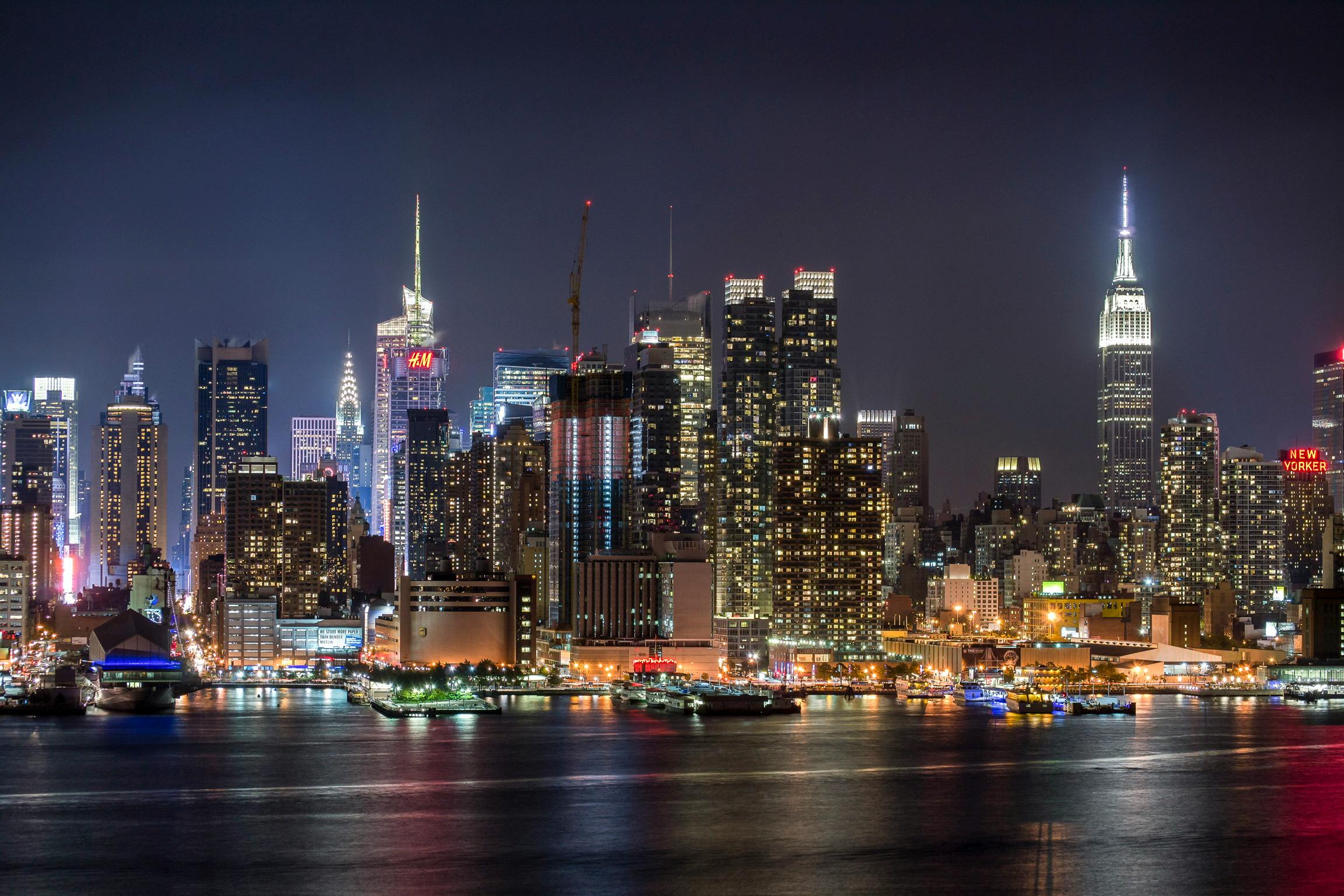
New York stands as a living testament to resilience, ambition, and cultural evolution. From the immigrants who passed through Ellis Island to the towering skyscrapers that define its skyline, every street carries a piece of history. It’s a city built on dreams, shaped by pioneers, and forever pulsing with the spirit of reinvention.