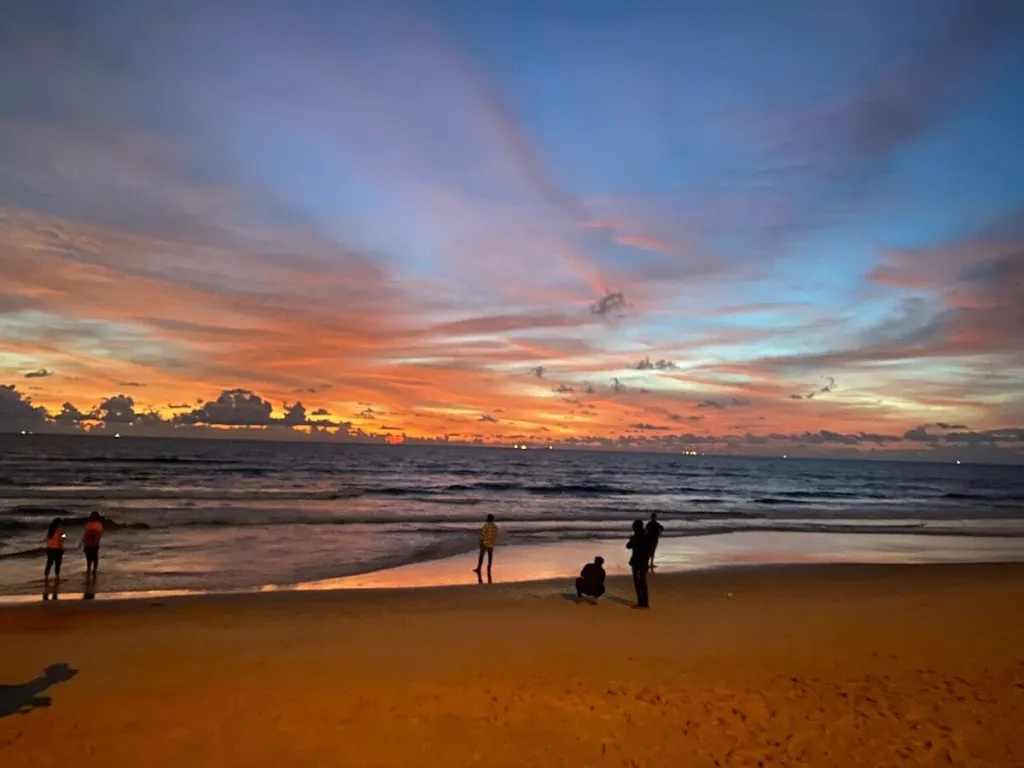
Situated amidst the stunning landscape of the Western Ghats, facing the serene tranquility of the Arabian Sea, is the city of Mangaluru, in Dakshina Kannada, Karnataka. The city holds an elaborate history with an immaculate culture, which is something to boast about for the natives. Even though the city is well known for its delectable cuisine, which includes kori rotti, neer dosa, fish thalis, ghee roast, pulimunchi, to name a few, it is also a hub for nurturing ancient folk art in the form of Pilinalike, Bhootakola, Kambala, Karadi Vesha, etc.
The second-largest city of Karnataka is gradually becoming a business hub while preserving and promoting its rich tradition to the fullest. But very few people outside the city know about the glorious past of this coastal paradise. According to popular legends, the city is said to have been built by the mythical character Parashurama during his conflict with Lord Varuna. The earliest recorded history of the city can be traced back to the literature of Pandian King Chattian, in 715 CE, where the city is mentioned as ‘Mangalapuram’. The name is believed to have originated from the local deity Mangaladevi. The famous Arabic traveler Ibn Battuta, who elaborated on his visit to the city in 1342 CE, referred to it as ‘Manjarur’. He referred to it as the greatest estuary in the state of Malabar.
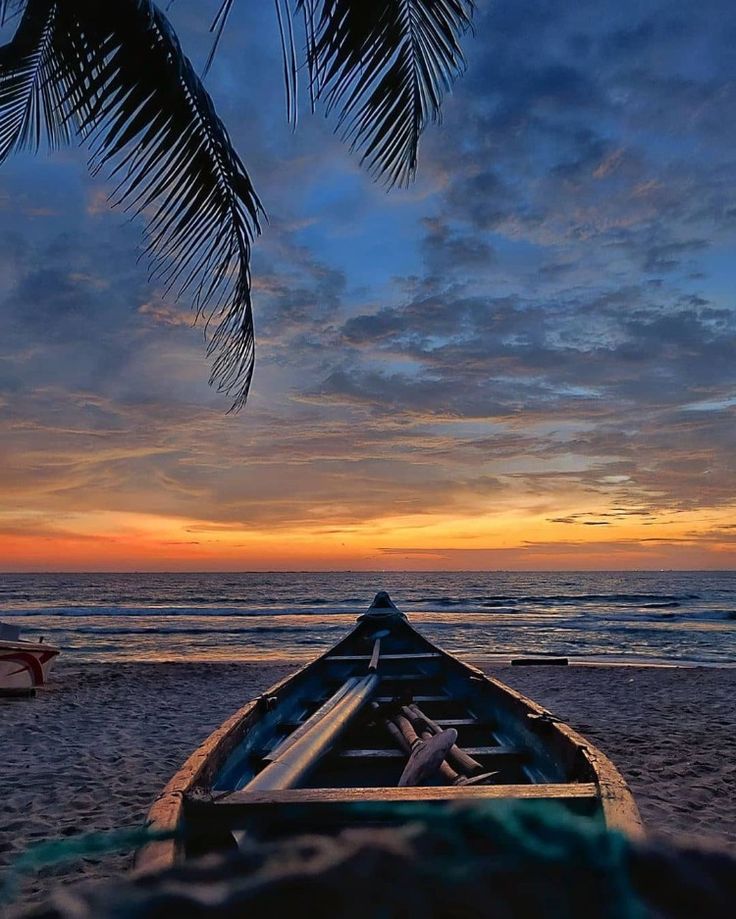
Because of its various mentions in different literature, the city’s name has gone through multiple transformations. Once locally called ‘Managaluru’, the British occupation named it ‘Mangalore’, which is now called ‘Mangaluru’ in independent India. For its impeccable ancient temple architecture and vibrant Victorian chapels, the city is also lauded as the ‘Rome of the East’, even though the natives, including me, would like to call Rome the ‘Mangaluru of the West’. The city came to notice after Vasco da Gama landed on St Mary’s Island on the coast of Mangaluru in 1498.
Ruled by kings like Hyder Ali and Krishnadevaraya in the medieval period, the city was annexed by the British East India Company in 1767 CE. Making it the headquarters of the Canara District under the Madras Presidency due to its favorable geographical location for trade, which resulted in a thriving economy. The city was known for commodities like rice, sandalwood, areca nut and black pepper, which were the prized possessions of that era. After its separation from the Madras presidency in 1956 CE, Mangaluru became one of the crown jewels for the state of Karnataka. Today, the city is a hub for tourism and business, boasting a surging economy due to its status as the largest port in the state, which is home to one of the country’s largest oil refineries.
The cultural diversity of Mangaluru is the result of its highly diverse population with its own indigenous cultures. There is a substantial population of Konkani Catholics, Beary-speaking Muslims, GSBs, Kannada speakers and Tulu-speaking community. Even though there have been demands for a separate statehood for ‘Tulunadu’, the demand never transitioned to a separatist movement.
It is because the region has been home to Tulu speakers from antiquity, but there has always been a peaceful coexistence of various ethnicities. Hampankatta, the central part of Mangalore, also bears a unique story behind it. Originally called ‘Appanakatte’ is named after Appanna Poojary, who constructed a well in the area in the 1900s and served people sweet water mixed with jaggery. The place became a resting spot for travellers, hence converting the place into a hub for economic activity. Hence, Mangaluru started spreading outward from that well.
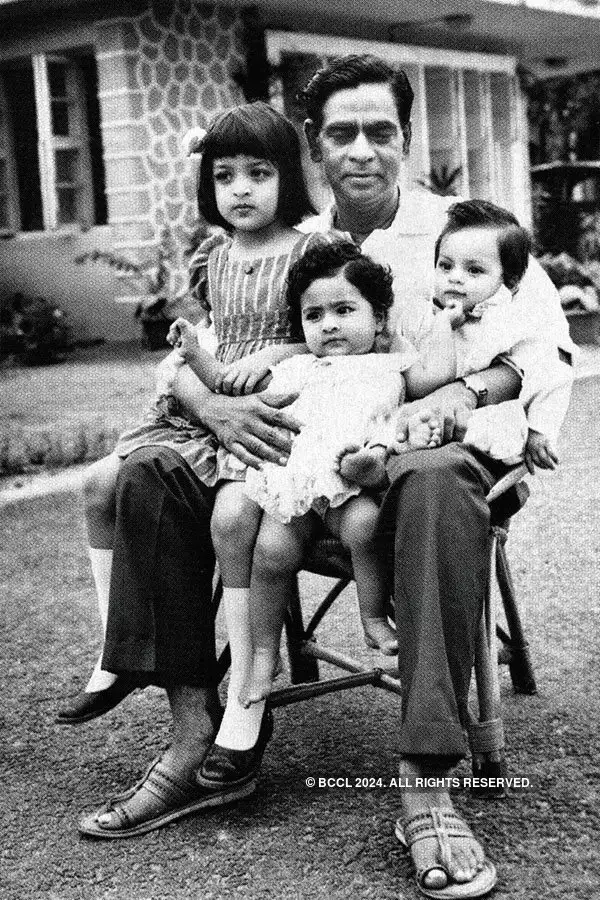
To conclude with a fun fact, the chief engineer of the Mangalore port was the grandfather of the man known for his wit and good looks, just like all the Mangalorean’s, hehe. Just kidding… Ofc it’s the king khan — Shah Rukh Khan.
Leave a Reply